
 +86-0515-86223369
  0
0



Ako trebate bilo kakvu pomoć, slobodno nas kontaktirajte
 Products & Solutions
 hr
hr

Dom / Vijesti / Vijesti iz industrije / Devitrifikacija stakla: uzroci, prevencija i vodič za odabir materijala
Devitrifikacija stakla: uzroci, prevencija i vodič za odabir materijala
Prije ili kasnije, gotovo svi koji zagrijavaju kvarcno staklo susreću se s istim frustrirajućim otkrićem. Cijev peći ili lončić koji je stigao s površinom glatkom poput zrcala, čistom poput vode izlazi iz upotrebe nakon tjedana na temperaturi s grubom, mliječnobijelom kožom. Ne briše se, ne ispire, a obična otapala ga ne dodiruju. Ta je koža vidljivo lice devitrifikacije stakla, procesa kojim se amorfna, staklena površina polako reorganizira u kristalni silicij.
Prvi zaključak: devitrifikacija je potaknuta toplinom, vremenom i prije svega kontaminacijom. Započinje na površinama, a ne unutar stakla, naglo se ubrzava dok se materijal drži iznad otprilike 1000 do 1200 stupnjeva C, a nakon što se dio kristalizirao, ne može se očistiti natrag u staklo, već se samo ugravirati, strojno odstraniti ili zamijeniti. Ono što ohrabruje je to što se proces dobro razumije i njime se uvelike može upravljati. Kupci koji kontroliraju čistoću, čistoću i praksu u peći rutinski izdvajaju nekoliko puta duži radni vijek iz nominalno identičnih dijelova, dok kupci koji ignoriraju te detalje plaćaju za to stvaranjem čestica, neplaniranim izmjenama cijevi i otpadnim teretima.
Ovaj vodič govori o tome što je devitrifikacija zapravo, zašto se događa na atomskoj razini, koji je čimbenici ubrzavaju u stvarnim pećima, gdje je rizik koncentriran u određenim komponentama, kako se uspoređuju uobičajene vrste stakla i kvarcni stupnjevi i koji praktični koraci na dnu peći i na stolu za nabavu će kvarcne dijelove duže održati staklastima.
Ključni zaključak: devitrifikacija stakla je proces površinske kristalizacije koji se uglavnom pokreće kontaminacijom i vremenom na temperaturi, a njegovo sprječavanje daleko je jeftinije od popravka ili zamjene devitrificiranih dijelova.
Što je devitrifikacija stakla?
Staklo je amorfna krutina, što znači da su njegovi atomi zaključani u neuređenu mrežu, a ne u ponavljajuću kristalnu rešetku. U fuzioniranom silicijskom dioksidu atomi silicija i kisika tvore kontinuirani, ali nepravilni trodimenzionalni okvir. Termodinamički, taj raspored nije najstabilniji dostupan silicijevom dioksidu: s obzirom na dovoljnu pokretljivost atoma, silicij bi radije bio kristal, poput kvarca ili kristobalita. Ono što staklo čini staklom je viskoznost. Mreža je toliko kruta, na svakoj temperaturi daleko ispod omekšavanja, da se atomi ne mogu preurediti na bilo kojoj ljudskoj vremenskoj skali, tako da poremećaj ostaje zamrznut u onome što znanstvenici o materijalima nazivaju metastabilnim stanjem.
Devitrifikacija je polagani bijeg iz tog smrznutog stanja. Tamo gdje je toplinska energija dovoljno visoka, male nakupine atoma talože se u uređeni, ponavljajući uzorak, a jednom kada postoji stabilno sjeme, kristal raste sloj po sloj u okolno staklo. Sama riječ dolazi od latinske riječi vitreus, što znači staklast, i tehnički je pogrešan naziv, jer staklo nikada nije sadržavalo kristale koje je trebalo izgubiti; naziv opisuje gubitak staklastog tijela, a ne uklanjanje bilo čega. U čistom silicijevom staklu, kristal koji se formira je gotovo uvijek kristobalit, visokotemperaturni oblik silicijevog dioksida.
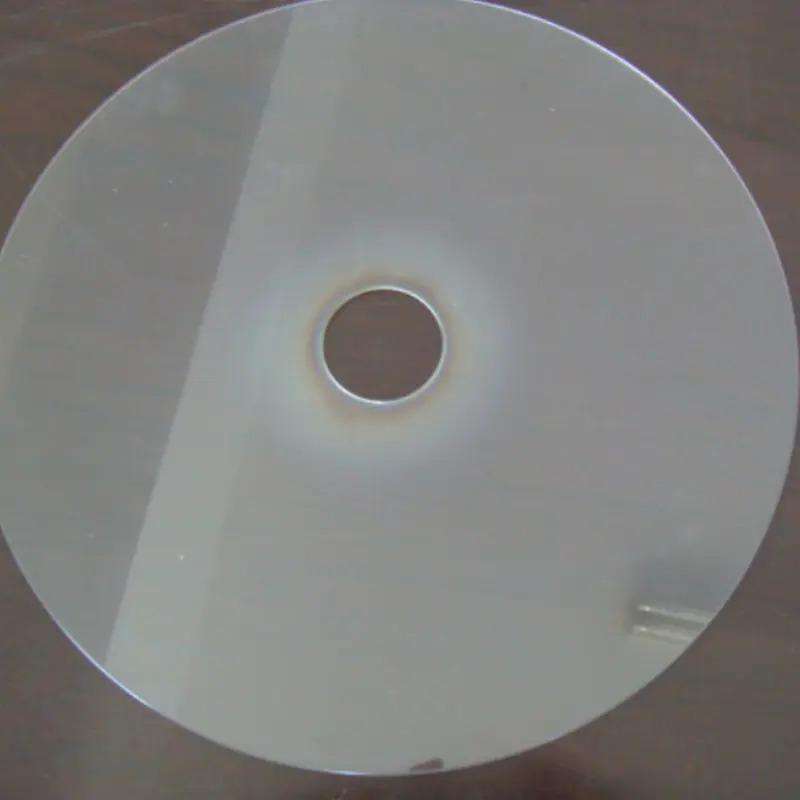
Na stvarnom dijelu, devitrifikacija se vizualno najavljuje prije nego mehanički otkaže. Zahvaćeno područje postaje prozirno i sjajno u mliječnu izmaglicu ili dosadni, kredasti film, često s finom teksturom narančine kore. Pod kutnim svjetlom, površina pokazuje sitne kristalne odsjaje umjesto glatke refleksije. Uzorak je rijetko ujednačen: izmaglica obično počinje točno na mjestu gdje je došlo do kontaminacije ili kontakta, zbog čega je često vidite kao prsten na mjestu gdje je rukavica dodirnula, traku okrenutu prema izolaciji peći ili mrlju ispod linije prskanja.
Kako razlikovati devitrifikaciju od drugih površinskih problema
- Naslage i kondenzati od procesnih para sjesti na vrh stakla, obrisati ili otopiti i ostaviti glatku površinu ispod.
- Vremenske prilike i cvjetanje lužine na običnom soda-lime staklu je vlastita kemija korozije, koja nije povezana s kristalizacijom silicija.
- Ogrebotine i abrazije slijedite smjerne linije i osjećate se oštro, dok devitrifikacija tvori nasumične kristalne mrlje s hrapavošću poput narančine kore.
- Devitrifikacija preživi svaki pokušaj čišćenja, ostaje hrapav na dodir i ostaje nakon laganog ponovnog pečenja koje bi učinilo da obične naslage nestanu.
Iskusni operateri peći koriste tu posljednju točku kao brzi terenski test: temeljito očistite sumnjivo područje, a zatim ga kratko, lagano ponovno zapalite. Naslage i kondenzat obično nestanu ili se podignu nakon toga, dok devitrificirana mrlja ostaje gruba i mutna. Test nije savršen, ali razdvaja dvije najčešće zabune brže od bilo koje rasprave o izgledu.
Ako površinska zamagljenost preživi čišćenje i još uvijek djeluje hrapavo, to je devitrifikacija, a ne prljavština, i sve u vezi s tretmanom se mijenja.
Zašto se kvarcno staklo devitrifira: struktura, kristobalit i stres
Da bismo razumjeli zašto je čista peć važna jednako kao i čisti dio, pomaže zamisliti što se mora dogoditi atom po atom. Čisti silicij u biti ne sadrži okside koji modificiraju mrežu, tako da se njegovi atomi drže u vrlo snažnom, potpuno povezanom okviru. Kristalizacija zahtijeva prekid i reformu veza, što zahtijeva viskozno strujanje, što zahtijeva temperaturu. Ta je kombinacija razlog zašto kvarcno staklo može desetljećima stajati na polici bez promjene, ali se transformira unutar nekoliko dana u pogrešnom vrućem kutu peći.
Površinska nukleacija: zašto kristalizacija počinje izvana
Formiranje prvog uređenog klastera košta energije, a u masi čistog silicija ta je energetska barijera dovoljno visoka da je unutarnja nukleacija zanemariva. To je razlog zašto se dobro napravljen taljeni kvarc ne devitrificira iznutra prema van. Površine su različite: nude nedostatke, prašinu, ogrebotine, adsorbirane filmove i strane ione, a svaki od njih smanjuje energetsku cijenu prvog kristala. Jednom kada postoji stabilna jezgra, rast se nastavlja prema unutra sloj po sloj. To je praktični razlog zašto devitrifikacija tako pažljivo prati kontaminaciju: kontaminacija je obično mjesto nukleacije.
Kristobalit i problem neusklađenosti
Kristalizirani sloj nije bezopasan premaz. Kristobalit je nešto gušći od taljenog silicijevog dioksida, otprilike 2,3 u odnosu na 2,2 grama po kubnom centimetru, i što je još važnije, širi se i skuplja sasvim drugačije. Kada se dio ohladi, kristali slijede vlastiti toplinski scenarij dok staklo ispod slijedi drugi, a naprezanje raste duž granice. Što je još gore, kristobalit prolazi kroz strukturnu inverziju između svojih alfa i beta oblika blizu 200 do 270 stupnjeva C, što dodaje nagli volumenski korak povrh uobičajenog toplinskog širenja. Ponovljeno kruženje kroz taj raspon inverzije radi na granici poput šarke, otvarajući mikropukotine, podižući ljuskice i oslobađajući čestice.
Mehanizam oštećenja postaje očigledan kada se brojevi proširenja uspoređuju jedan pored drugog. Grafikon u nastavku prikazuje tipične vrijednosti linearnog toplinskog širenja za topljeni kvarc, borosilikatno staklo, kristalizirani kristobalit i natrijevo-vapneno staklo na otprilike sobnoj temperaturi do 300 stupnjeva C. Taljeni kvarc nalazi se pri dnu na oko 0,55 ppm po stupnju C. Kristobalit, isti kristal koji stvara devitrifikacija, širi se otprilike deset puta brže. Natrijum-vapno i borosilikat uključeni su radi konteksta jer pokazuju kolika je zapravo razlika između uobičajenih stakala.
Tipično toplinsko širenje (ppm po stupnju C, oko 20 do 300 stupnjeva C)
Taljeni kvarc
0.55 Borosilikat 3.3
3.3 Kristobalit
oko 5 Soda-vapno
9.0
0.55 Borosilikat 3.3
3.3 Kristobalit
oko 5 Soda-vapno
9.0
Veća ekspanzija znači veći stres gdje god se kristali susreću sa staklom.
Praznina u grafikonu objašnjava većinu praktične štete. Kvarcni dio napravljen je oko činjenice da se njegova površina i njegov volumen zajedno šire oko pola ppm po stupnju. Kada se nekoliko desetaka mikrona te površine pretvori u kristobalit, lokalna ekspanzija skoči za otprilike faktor deset. Svako zagrijavanje sada rasteže kristalnu kožu daleko više od stakla ispod nje, a svako hlađenje je istiskuje. Oko 200 do 270 stupnjeva C, inverzija dodaje naglu promjenu koraka koju nikakva blaga rampa ne može izgladiti. Granični sloj stoga preuzima mehaničko kažnjavanje u svakom ciklusu, čak i u pećima koje nikada ne prelaze skromne temperature.
U početku se ta kazna pokazuje samo kao fino ludilo vidljivo pod jakim svjetlom. Uz dovoljno ciklusa, sloj se podiže, ljušti i odbacuje čestice. U lončiću za uzgoj kristala te čestice padaju u talinu silicija i defektiraju klice u rastući ingot. U difuzijskoj cijevi migriraju na pločice i čamce, gdje čak i mikronski fragmenti ubijaju prinos. S druge strane, borosilikatne i natrijevo-vapnene šipke objašnjavaju zašto su ta stakla savršeno stabilna u vlastitim temperaturnim rasponima, ali neprikladna za upotrebu u kvarcu: na svojim skromnim radnim temperaturama nikad se ne približavaju uvjetima u kojima bi njihove površine kristalizirale, ali također ne mogu preživjeti toplinu koja stvara te uvjete u siliciju. Opća poruka je da je devitrifikacija problem mehaničke pouzdanosti, a ne samo kozmetički.
Kristalni sloj širi se do deset puta brže od stakla na kojem raste, tako da je devitrificirana površina ugrađeni generator pukotina i čestica, a ne samo kozmetički nedostatak.
Kontaminacija, temperatura i vrijeme: Što stvarno ubrzava devitrifikaciju
Alkalna kontaminacija: dominantni ubrzivač
Natrij, kalij i litij modifikatori su mreže: oni prekidaju mostove silicij-kisik, podižu lokalnu mobilnost atoma i dramatično snižavaju prepreku nukleaciji kristala. Njihov se učinak mjeri u ppm. Sintetski taljeni silicijev dioksid visoke čistoće sadrži alkalijske metale ispod oko 1 ppm, dok obični prirodno taljeni kvarc može sadržavati deset do trideset ppm ukupnih metalnih nečistoća, a ta se razlika izravno pretvara u marginu devitrifikacije. Jedan otisak prsta isporučuje više natrija na malo područje nego što je određeno da neki dijelovi visoke čistoće sadrže u cijelom volumenu, zbog čega je rukovanje u rukavicama tehnički uvjet, a ne formalnost.
Temperatura, vrijeme i toplinski ciklusi
Devitrifikacija se termički aktivira, tako da slijedi istu eksponencijalnu logiku kao i većina procesa na visokim temperaturama. Za čisti kvarc zanemariva je ispod oko 1000 stupnjeva C čak i tijekom dugih razdoblja, postaje mjerljiva tjednima u rasponu od 1000 do 1200 stupnjeva C i brzo se okreće iznad približno 1250 stupnjeva C, gdje se kontaminirane površine mogu zamutiti u roku od nekoliko sati. Stopa se obično opisuje kao otprilike udvostručenje za svakih 50 stupnjeva dodatne temperature, tako da male promjene zadane vrijednosti imaju prevelike učinke. Ciklusiranje je također važno, jer ponovljeni prolazi kroz vruću traku i raspon inverzije kristobalita doprinose ranije opisanom mehaničkom naprezanju.
Atmosfera: vlaga i alkalijske pare
Vodena para napada površinu pretvarajući siloksanske mostove u silanolne skupine, što lokalno smanjuje viskoznost i ubrzava kristalizaciju; pročišćavanje suhim dušikom ili argonom usporava proces, a vakuum ga dodatno usporava. Najštetnije atmosfere su one koje nose alkalije: propadajuća izolacija, vatrostalne površine, ostaci soli zapečeni na teretu ili susjedno stakleno posuđe koje se oslobađa plina na temperaturi. Mnogi takozvani misteriozni kvarovi povezuju se s promijenjenom izolacijskom pločom, vlažnijim plinovodom ili novim kemijskim opterećenjem, a ne samom staklu.
Stanje površine
Požarom polirana površina otporna je na nukleaciju jer je glatka, kemijski čista i bez mikropukotina. Brušene, pjeskarene ili duboko izgrebane površine predstavljaju svježi, oštećeni materijal s obilnim mjestima nukleacije, a vidljivo su zamućene u identičnoj upotrebi. To je razlog zašto savjesni proizvođači nagrizaju ili ponovno poliraju strojno obrađena područja nakon brušenja i bušenja i zašto je nagrizanje fluorovodičnom kiselinom koje uklanja oštećeni sloj standardna obnova za lagano devitrificirane dijelove.
Brojevi olakšavaju planiranje učinka kontaminacije nego pridjevi. Grafikon u nastavku uspoređuje koliko dugo različiti uvjeti površine kvarca obično traju na oko 1200 stupnjeva C prije nego što se pojavi prva vidljiva kristalizacija. Temperatura se u usporedbi održava konstantnom, tako da je jedini pokretni dio čistoća i čistoća površine. Tretirajte vrijednosti kao indikativne brojke reda veličine, a ne kao zajamčeni životni vijek. Prave peći dodaju vlastite varijable, od vlage u procesnom plinu do lužine koja se ispušta sa stare izolacije.
Vrijeme do vidljive površinske kristalizacije na oko 1200 stupnjeva C (indikativno)
Sintetski taljeni silicij, čista površina: oko 500 h
Prirodni topljeni kvarc, čista površina: oko 120 h
Bilo koja klasa kvarca s alkalijama na površini: oko 20 h
Indikativne vrijednosti izvučene iz iskustva u industriji; stvarno ponašanje ovisi o čistoći, atmosferi i radnom opterećenju.
Ističu se tri stvari. Prvo, razlika između čiste površine visoke čistoće i onečišćene je ogromna, reda veličine dvadeset do dvadeset pet puta u ovoj indikativnoj usporedbi. Drugo, razlika između sintetičkog taljenog silicija i dobrog prirodnog kvarca je stvarna, ali skromna u usporedbi s učinkom površinske kontaminacije, što znači da plaćanje najvišeg stupnja čistoće ne štiti dio kojim se rukuje bez rukavica. Treće, traka onečišćenja odnosi se na bilo koju vrstu kvarca, jer alkalije koje se nalaze na površini dominiraju nad onim što je raspoređeno unutar stakla.
Ove krivulje također objašnjavaju zašto izvješća o kvarovima tako često impliciraju okolinu peći, a ne materijal. Dvije linije istog stakla u istoj peći mogu stariti potpuno različitim brzinama, ovisno o tome koja se nalazi bliže izvoru lužine. Vrijednosti također upućuju na praktičan ritam inspekcije: počnite provjeravati dijelove mnogo prije indikativnog vremena, jer zamagljenost uvijek prethodi pucanju. Također tvrde da bi promjene procesa, poput novog dobavljača izolacije ili vlažnijeg plina, trebale poništiti vaša očekivanja u pogledu vijeka trajanja cijevi. Na kraju, zapamtite da grafikon drži temperaturu fiksnom, a podizanjem zadane vrijednosti skraćuje se svaka traka.
Čistoća kupuje maržu, ali je čistoća održava: površinske lužine od rukovanja ili okolina peći mogu izbrisati prednost čak i kvarca najveće čistoće.
Gdje se koncentrira rizik: lonci, cijevi i laboratorijski kvarc
Posude za rast kristala
Czochralski silicij se izvlači na otprilike 1420 stupnjeva C, a fotonaponski ingot izliven drži taline u istom susjedstvu mnogo sati. To su točno uvjeti u kojima će se onečišćena kvarcna unutarnja stijenka devitrificirati, a posljedice su izravne: ljuskice i čestice iz kristaliziranog sloja dolaze u kontakt s talinom i dislokacijama klica, linijskim defektima i ogrebotinama u rastućem kristalu. Proizvođači lončića reagiraju kontroliranjem kvalitete površine, kombiniranjem prirodnog kvarcnog tijela sa sintetičkim unutarnjim slojem visoke čistoće i tretiranjem otpornosti na devitrifikaciju kao element dizajna, a ne naknadnu misao.
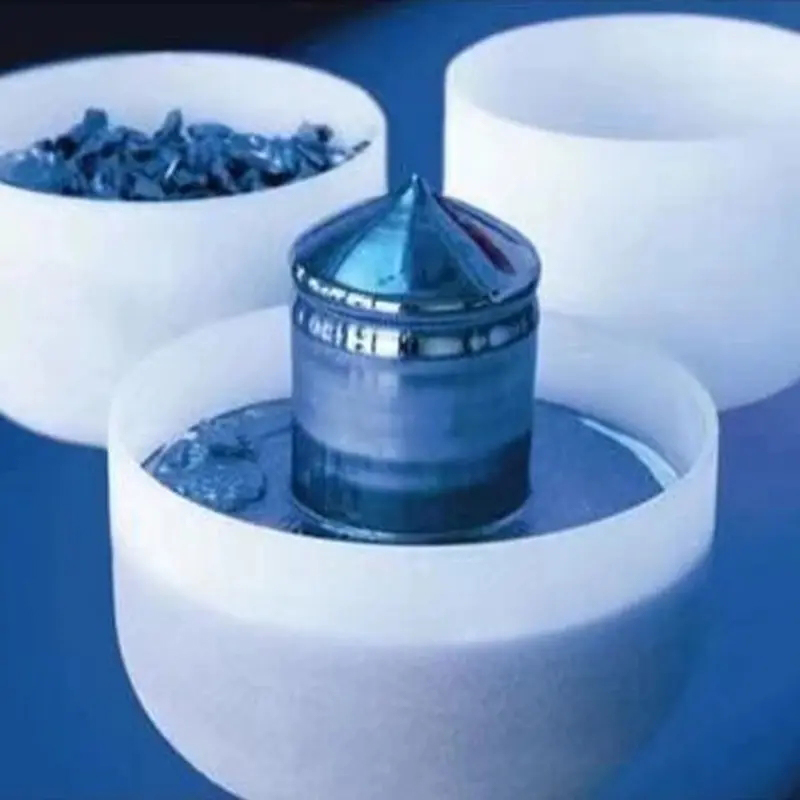
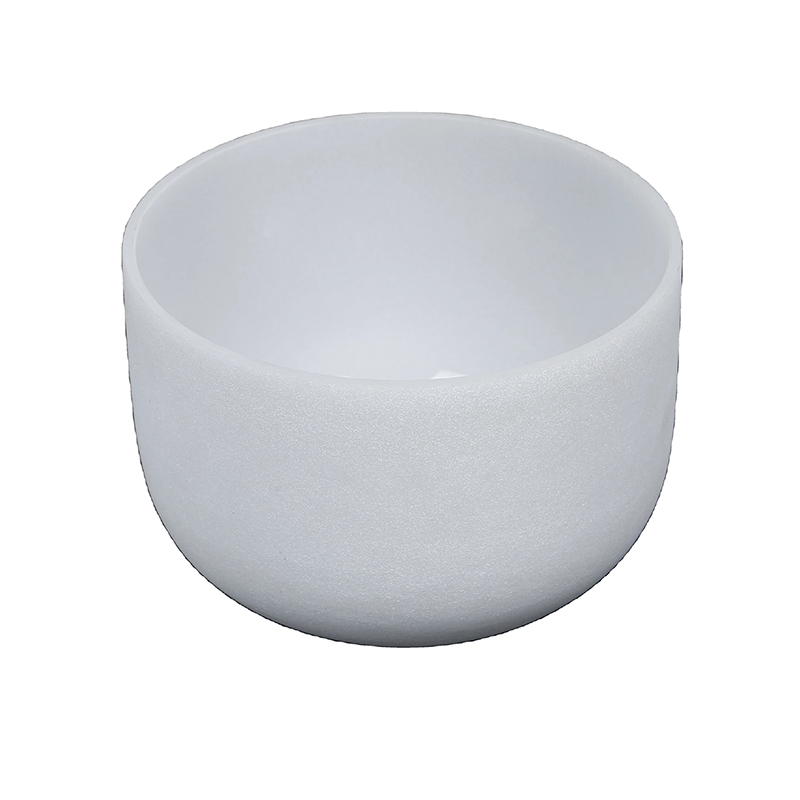 Kvarcni lončić poluvodiča za rast kristala Izvučeni silicij i fotonaponski lijev održavaju taljenje blizu 1420°C satima, gdje se nečista unutarnja stijenka odstakljuje i klice u kristale. Lonac s preko 99,998% čistoće SiO2 i kontroliranom unutarnjom površinom izravno rješava taj rizik. Pogledajte proizvod →
 Difuzijske i CVD pećne cijevi
Procesne cijevi koje rade na 1100 do 1250 stupnjeva C akumuliraju rizik devitrifikacije iz dva smjera. Vanjska stijenka okrenuta je prema izolaciji peći i emisijama lužina, dok je unutarnja stijenka okrenuta prema vlazi i ostacima procesnih plinova i opterećenja. Životni vijek obično se prati u kumulativnim satima vrućine po kampanji, a mnoge tvornice rotiraju cijevi kako bi ujednačile izloženost vrućoj zoni. Budući da su specifikacije čestica neumoljive, cijevi se obično mijenjaju prema rasporedu koji stiže prije vidljivog kvara, a ne nakon njega.
Laboratorijski i analitički kvarc
Kvarcni lončići, cijevi za probavu i posude za isparavanje obično rade znatno ispod opasne zone, tako da je devitrifikacija rijetka kada je staklo čisto. Iznimke uključuju kemijski sastav uzorka: ostaci natrija i kalija koji prskaju ili se peku po staklu stvaraju lokalizirana mjesta nukleacije, a karakterističan prsten maglice često se pojavljuje točno na staroj liniji ostataka. Brzo čišćenje nakon svakog rada i sprječavanje izravnog kontakta kvarca s keramičkim površinama prigušnice uklanja većinu ovog rizika.
Grijalice, svjetiljke i vidna stakla
Infracrveni grijač, bilo da se radi o elementima od nikal-kroma, volframa ili ugljičnih vlakana, najtopliji su iznutra dok vanjska stijenka ostaje hladnija, a općenito se dobro odupiru devitrifikaciji ako se njima rukuje čisto. Problem se pojavljuje tamo gdje je gola ruka dotaknula rukavac tijekom postavljanja ili gdje se prašina zapeče na vruću površinu. Prozorna stakla i prozori otkazuju zbog jednostranog zagrijavanja u kombinaciji s naslagama, a radnici na svjetiljkama vide istu površinsku kemiju u minijaturi kada se staklo opetovano zagrijava i obrađuje malo ispod idealne temperature, stvarajući maglicu na baklji.
Dijelovi koji prvi pokvare gotovo uvijek su oni koji kombiniraju najvišu temperaturu s najviše mogućnosti kontakta, a to je upravo mjesto gdje se inspekcija i disciplina rukovanja isplate.
Odabir materijala: Usporedba klasa stakla i kvarca
Niti jedno staklo nije najbolje u svemu, stoga je iskreno pitanje odabira koji materijal odgovara vašoj temperaturi, vašoj razini čistoće i vašem proračunu. Donja tablica prikazuje uobičajene kandidate za svojstva koja su važna za rizik devitrifikacije i vruću uslugu. Pročitajte stupac za devitrifikaciju zajedno s točkom omekšavanja, jer staklo koje se sliježe mnogo prije nego što nastupe uvjeti za kristalizaciju ima, zapravo, potpuno drugačiji način kvara.
| Vrsta stakla | Točka omekšavanja | Devitrifikacija tendency in hot service | Tolerancija na toplinski udar | Tipične uloge |
|---|---|---|---|---|
| Taljeni kvarc (natural, electric-melted) | Oko 1650 stupnjeva C | Visoko iznad 1100 do 1200 stupnjeva C kada je kontaminiran; sporo kad je čisto | Izvanredan, tolerira gradijente blizu 1000 stupnjeva C | Cijevi za peći, lonci, infracrveni grijači |
| Sintetski taljeni silicij | Oko 1600 do 1650 stupnjeva C | Najmanji udio silicijevog stakla, zahvaljujući sadržaju alkalija ispod ppm | Izvanredan | Poluvodički tiglovi, optika, najtopliji čisti procesi |
| Borosilikat 3.3 | Oko 820 stupnjeva C | Nizak na vlastitim radnim temperaturama, ali omekšava daleko ispod temperatura procesa kvarca | Dobro, oko 120 do 150 stupnjeva C | Laboratorijsko stakleno posuđe, procesni prozori za niže temperature |
| Soda-vapno | Oko 700 stupnjeva C | Praktički nevažno, jer se sliježe mnogo prije nego što nastupe uvjeti za kristalizaciju | Loše, obično ispod 60 stupnjeva C | Prozori, spremnici, uporaba pri temperaturi okoline |
Usporedba nagrađuje jednostavnu naviku: pitajte koju temperaturu dio zapravo vidi, zatim pitajte koju će kontaminaciju doživjeti. Taljeni kvarc zaslužuje svoje mjesto u vrućim zonama jer ništa o njegovoj točki omekšavanja ili ponašanju pri toplinskom šoku nije blizu konkurentima, a sintetski topljeni silicij dodatno proširuje tu marginu tamo gdje su čestice i čistoća kritični. Borosilikat ostaje izvrstan i ekonomičan izbor za laboratorijski rad ispod nekoliko stotina stupnjeva, a natrijum-vapno ostaje materijal za prozore i spremnike. Problemi počinju kada se dio zamoli da živi izvan benda za koji je odabrana njegova kemija.
Kvarcne ocjene na prvi pogled
Sintetski taljeni silicij Alkalijski metali ispod oko 1 ppm; najotporniji na devitrifikaciju za najtoplije, najčišće poslove. Prirodni topljeni kvarc Ravnoteža troškova i performansi za cijevi, šipke, ploče i tijela lončića. Nisko-OH stopljeni silicij Smanjeni sadržaj hidroksila za cijevi svjetiljki i grijače, gdje su viskoznost i ispuštanje plinova važni. Dopirani kvarc (UV stupanj) Dopiranje titanom ili cerijem za kontrolu UV prijenosa; ponašanje devitrifikacije blisko svom osnovnom prirodnom kvarcu. Neproziran, mliječni kvarc Struktura ispunjena mjehurićima za izolaciju peći gdje nije potrebna prozirnost.
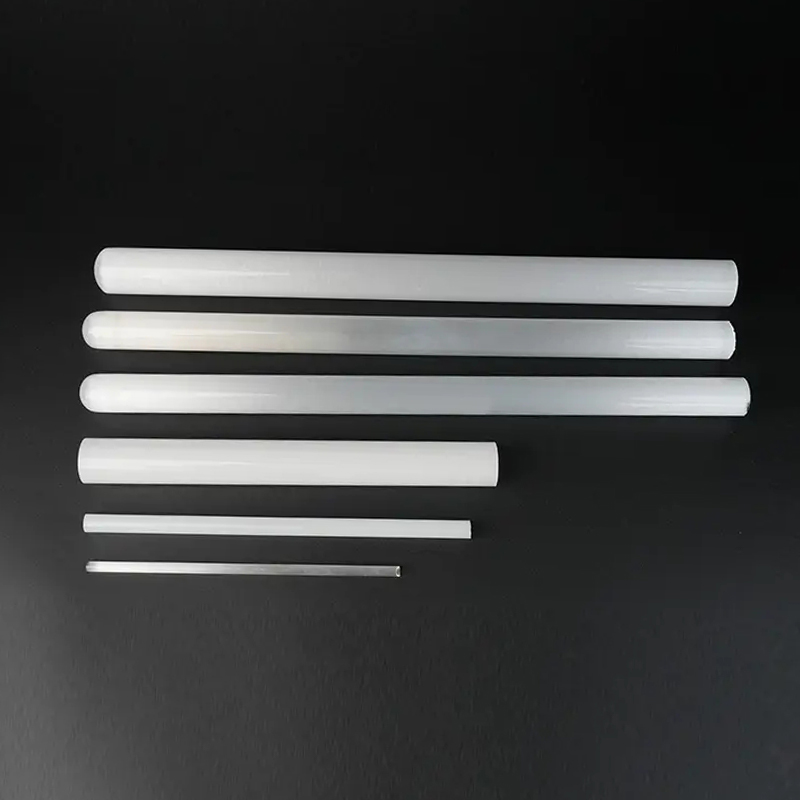
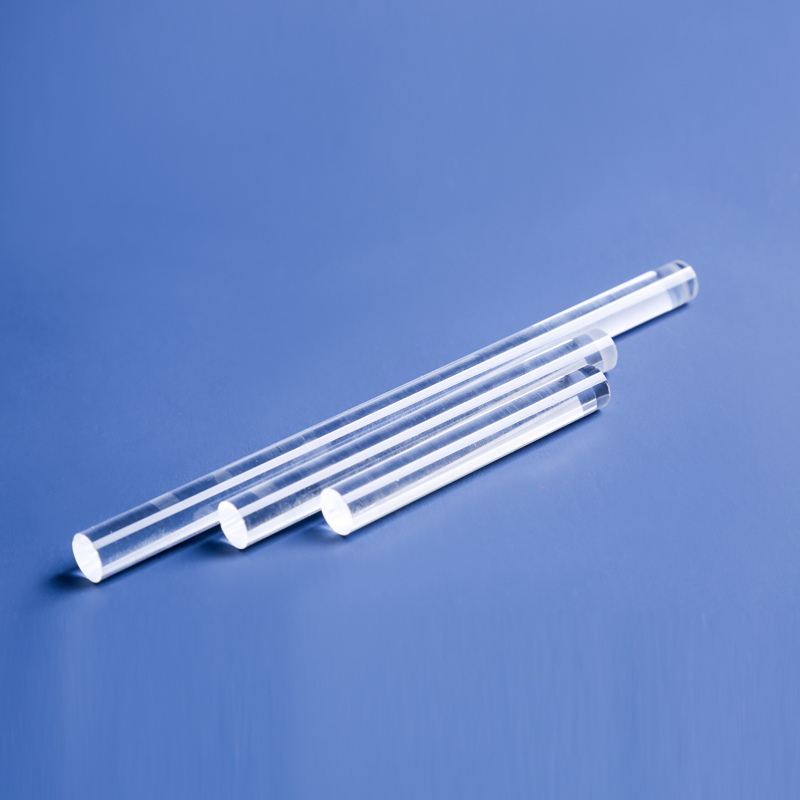
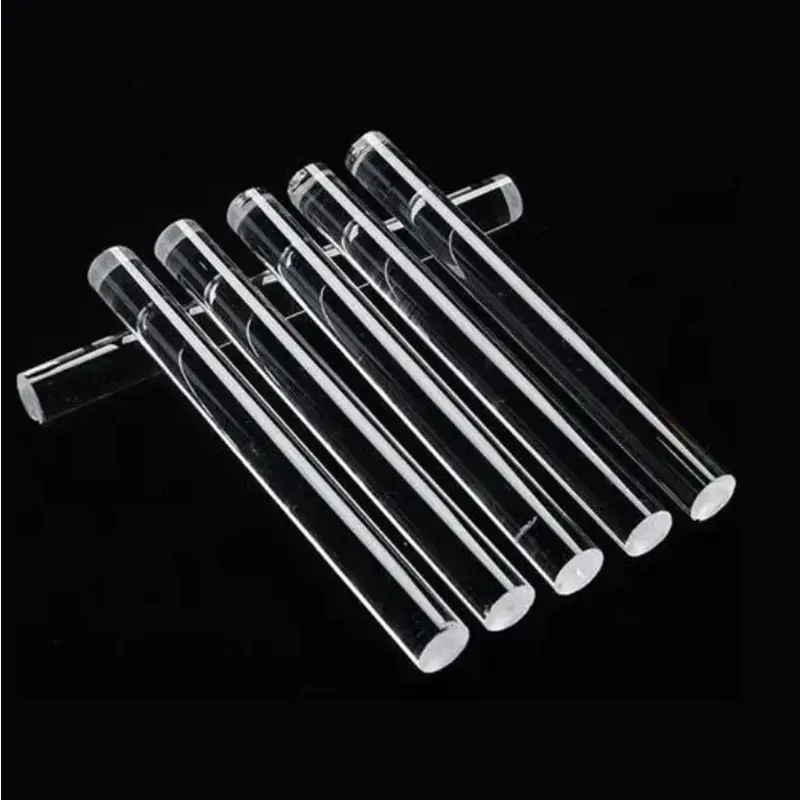
Čvrsti proizvodi slijede istu logiku čistoće kao i cijevi. Namještaj za peći kao što su šipke, lopatice i nosači, zajedno sa sirovinom za optička vlakna, oslanja se na kemiju s niskim alkalijama upravo zato što njihove površine provode sate na temperaturi, a svaka kristalizacija pokazuje se kao hrapavost, čestice ili defekti preforme. Kada nabavite precizne kvarcne šipke, zatražite od dobavljača put taljenja i podatke o tragovima metala te provjerite jesu li brušene površine ugravirane ili polirane nakon strojne obrade.
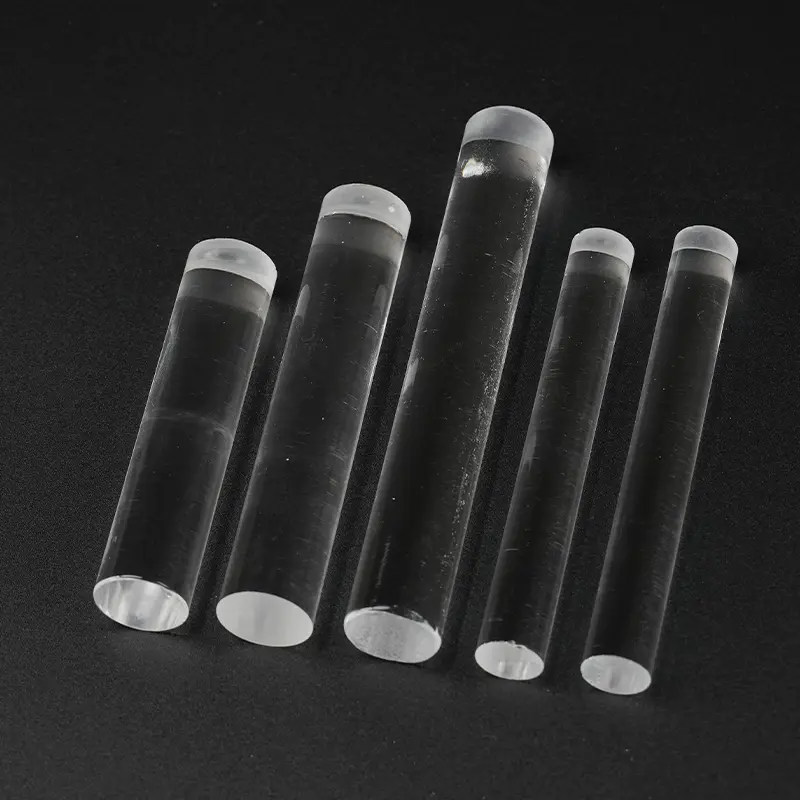
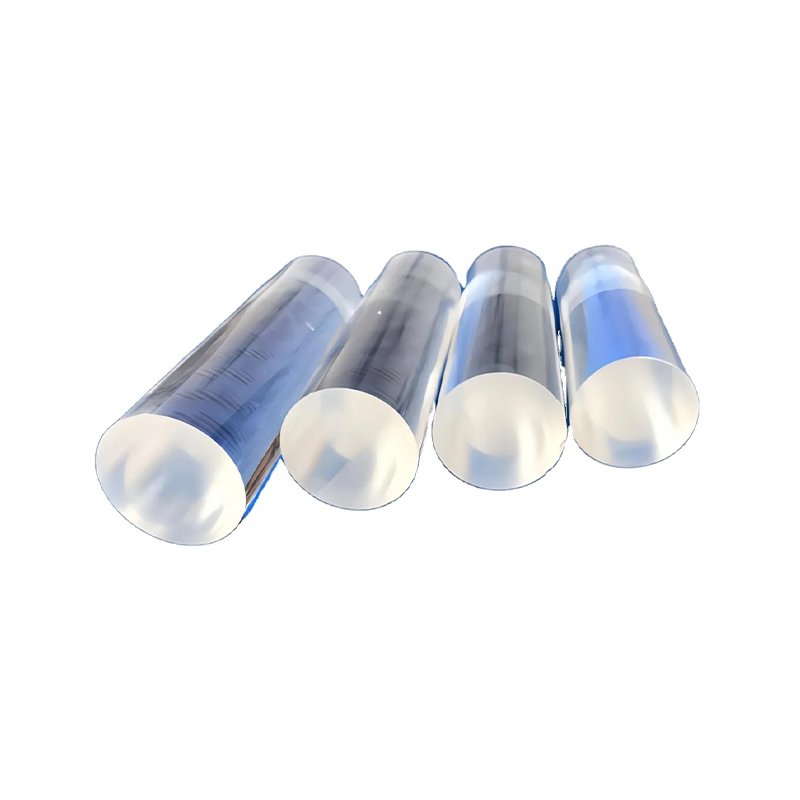 Šipke od taljenog silicijevog dioksida visoke čistoće Namještaj peći i sirovina za optička vlakna stoje satima na temperaturi, tako da se površinska kristalizacija pokazuje kao hrapavost ili čestice. Ovdje vrijedi pregledati šipke visoke čistoće, dostupne u promjerima 2–50 mm i ocijenjene za kontinuirani rad na 1200°C. Pogledajte proizvod →
 Uskladite ocjenu s temperaturom i čistoćom koju zapravo možete održavati; najskuplje staklo je ono koje pokvari rano u prljavom procesu.
Popis za prevenciju: kontrole na strani peći i na strani rukovanja
Prevencija djeluje na dva fronta odjednom, jer devitrifikacija zahtijeva i ranjivu površinu i okoliš koji je hrani. Donji lijevi stupac pokriva ono što se događa unutar peći, gdje dominiraju atmosfera, izolacija i raspored temperature. Desni stupac pokriva ono što se događa na klupi, gdje se većina kontaminacije uvodi puno prije nego što se dio uopće zagrije. Timovi koji rade s obje kolone dosljedno izvješćuju o najvećim dobicima u životnom vijeku cijevi i lončića.
Kontrole na strani peći
| Kontrole na strani rukovanja
|
Jednostavan protokol rada povezuje dva stupca zajedno i traje nekoliko minuta po dijelu umjesto sati. Slijedite isti redoslijed za svaku epruvetu, čamac i lončić i disciplina postaje zadana, a ne iznimka.
- Pregledajte svaki dio po dolasku pod jakim kutnim svjetlom i odbacite sve što je već zamagljeno, grubo ili prljavo.
- Očistite deioniziranom vodom i maramicama koje ne ostavljaju dlačice, završite ispiranjem alkoholom i pustite da se dio potpuno osuši prije zagrijavanja.
- Instalirajte s rukavicama bez pudera i držite kvarcne površine podalje od izolacije, vatrostalnog materijala i golog metala.
- Zabilježite kumulativne sate iznad otprilike 1100 stupnjeva C za svaku epruvetu, čamac i lončić.
- Rotirajte ili okrećite cijevi peći u planiranim intervalima tako da niti jedna zona ne akumulira svu izloženost.
- Ponovno pregledajte površine vrućih zona pri svakom razdoblju održavanja i odaberite između profesionalnog jetkanja i planirane zamjene prije nego što se pojave pukotine.
Ispod svega toga postoji ekonomski argument. Pećna cijev velikog promjera košta djelić jedne otpadne ploče, a planirana rotacija ili zamjena oduzimaju minute planiranog zastoja, dok neplanirani lom oduzima dane. Tretiranje cijevi kao potrošnog materijala s zabilježenom poviješću servisa, a ne kao trajnog priključka, jedini je najpouzdaniji način da devitrifikacija ne diktira vaš raspored.
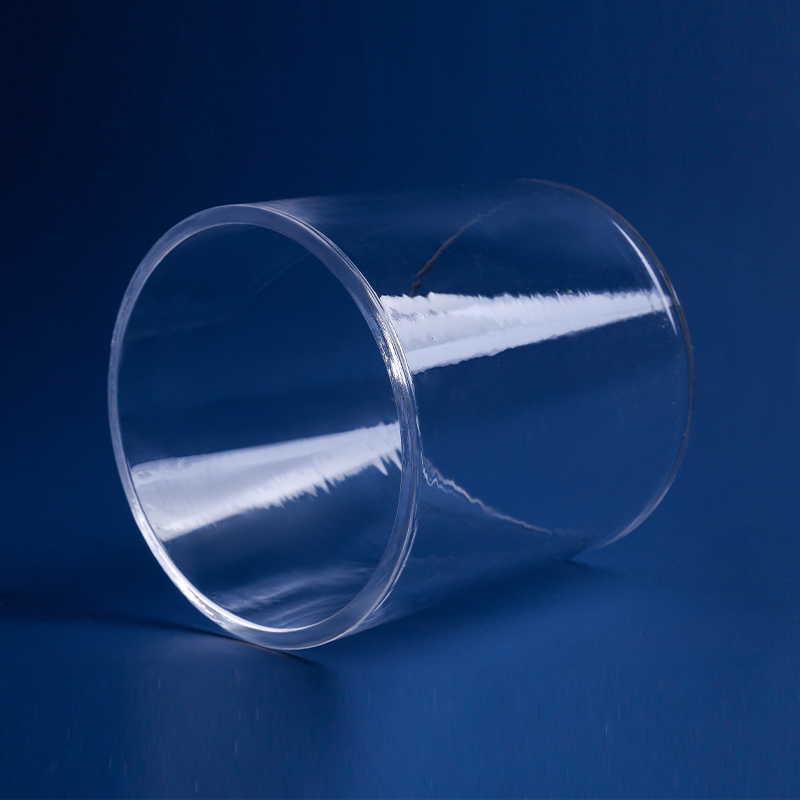
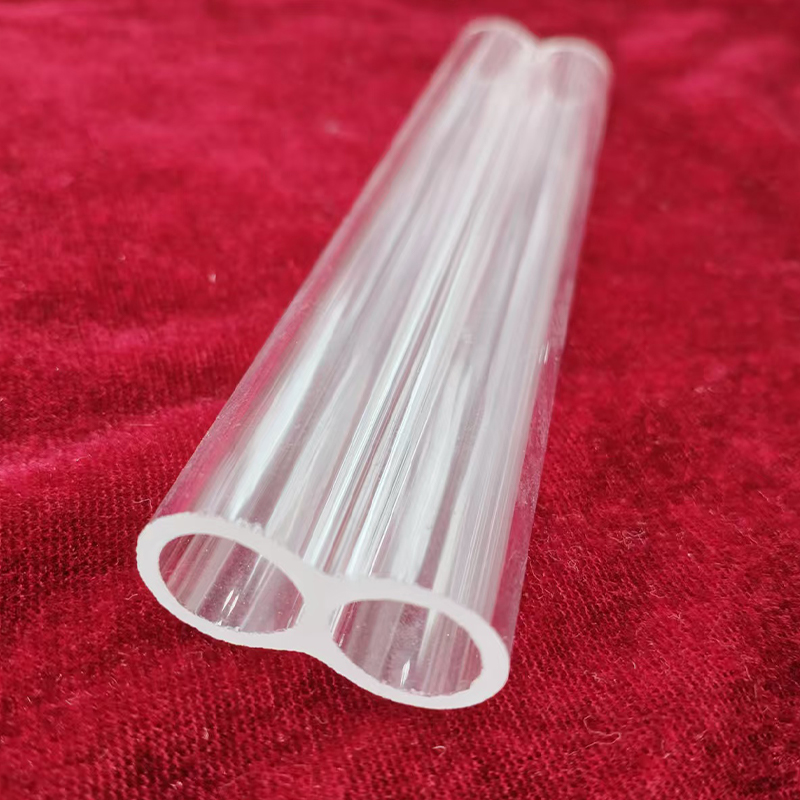
 Kvarcna staklena cijev za peć velikog promjera Uz cijevi koje se vode kao potrošni materijal praćen vrućim satima, kvaliteta izolacije oblikuje životni vijek i potrošnju energije. Cijev velikog promjera sa smanjenim propuštanjem topline i otpornošću na toplinski udar odgovara planiranoj rotaciji i rasporedu zamjene u visokotemperaturnim pećima. Pogledajte proizvod →
 Prevencija je posao s dva fronta: peć kontrolira okoliš, stol kontrolira površinu, a devitrifikacija pobjeđuje samo tamo gdje su oboje zanemareni.
Može li se devitrifikacija poništiti? Mogućnosti popravka i njihova ograničenja
Izravan odgovor je ne: umjereno ponovno zagrijavanje neće pretvoriti kristobalit natrag u staklo. Kristali opstaju dok se temperature ne približe rasponu taljenja, što je daleko iznad onoga što većina dijelova dimenzionalno može tolerirati. To je i razlog zašto test ponovnog paljenja djeluje kao dijagnostika, jer naslage nestaju pod blagom toplinom, dok kristalizirane mrlje ostaju grube. Nakon što površina promijeni stanje, vaše su mogućnosti ukloniti zahvaćeni sloj, zaobići ga ili zamijeniti dio.
Kemijsko jetkanje
Kontrolirano jetkanje fluorovodičnom kiselinom skida nekoliko mikrona površine, uzimajući sa sobom kontaminirani sloj sa kristalnim sjemenkama i izlažući svježi, amorfni silicij dioksid ispod. Učinjeno rano, na lagano zamagljenoj cijevi ili ploči, može vratiti većinu izvorne otpornosti na devitrifikaciju. To je opasan posao koji zahtijeva obučeno osoblje, odgovarajuću ventilaciju i opremu za rukovanje kiselinom, a nije prikladan za preciznu optiku bez pregleda dimenzija i prijenosa, jer jetkanje mijenja debljinu i oblik površine.
Brušenje i poliranje vatrom
Dublja kristalizacija ili sloj koji je već napukao i ljušti zahtijeva mehaničko uklanjanje. Brušenje i poliranje može ukloniti zahvaćenu zonu, a mali dijelovi poput šipki i jednostavnih proizvoda mogu se polirati u plamenu kako bi se obnovila glatka amorfna površina. Obje rute mijenjaju dimenzije, tako da odgovaraju dijelovima s tolerancijskim prostorom i rijetko odgovaraju kalibriranim komponentama. Za umjetničko staklo izrađeno u peći, tradicionalni alati se neznatno razlikuju, oslanjajući se na devitrifikacijski sprej, pjeskarenje ili korektivno ponovno paljenje, ali temeljni princip uklanjanja ili prekrivanja kristaliziranog sloja je isti.
Kada je zamjena iskren odgovor
Ako je devitrificirana zona duboka, ako dio radi u kritičnom položaju za čestice ili ako je komponenta precizni prozor ili optička ploča, zamjena obično nadmašuje popravak i po riziku i po ukupnim troškovima. Sloj koji je počeo ispuštati čestice već je dosegao ranije opisani način otkazivanja nosivosti i nikakvo jetkanje ne može jamčiti da se neće ponoviti na istom mjestu. Zakazivanje zamjene tijekom planiranog perioda održavanja pretvara neplanirani lom u rutinsku zamjenu.
Jetkanje ili poliranje uklanja simptom uklanjanjem sloja; ako je sloj dubok ili je dio precizan, zamjena je obično pošten odgovor.
Kupujte kvarcno staklo imajući na umu otpornost na devitrifikaciju
Dvije kvarcne cijevi s identičnom geometrijom mogu se višestruko razlikovati u radnom vijeku u vrućem stanju, a razlika leži u podacima koji se nikada ne pojavljuju u ponudi: sadržaj nečistoća, put taljenja i završna obrada površine. Uključivanje tih artikala u razgovor o kupnji pretvara odstakljivanje iz iznenađenja u specifikaciju. Bez obzira kupujete li izravno od proizvođača ili preko distributera ili veletrgovca, podaci o nečistoćama trebaju slijediti dio.
- Analiza tragova metala, s natrijem, kalijem, litijem, željezom, aluminijem i bakrom u ppm.
- Raspon sadržaja hidroksila, budući da OH mijenja viskoznost i ponašanje pri visokim temperaturama.
- Put taljenja, bilo plamenom fuzijom, električnom fuzijom ili sintetskim taloženjem.
- Stanje površine pri isporuci, polirano vatrom u odnosu na brušeno i jesu li strojno obrađena područja naknadno urezana.
- Metoda pakiranja, zatvoreni polietilen umjesto papira ili otvorene folije.
- Sljedivost serija i dokumentacija za revizije poluvodiča ili fotonapona.
Razmišljanje o ukupnim troškovima također spada ovdje. Najjeftinija cijev u vrućem procesu osjetljivom na čestice rijetko je ekonomična nakon što se računaju zastoji, rad na čišćenju i otpadni radovi, tako da se skromna premija za dokumentirani materijal s niskim sadržajem lužine obično otplaćuje unutar prve izbjegnute izmjene cijevi. Brušeni i izbušeni prilagođeni dijelovi zaslužuju posebnu pozornost, jer je svaka strojno obrađena površina novo mjesto nukleacije; traženje od proizvođača da polira ili kemijski nagriza nakon strojne obrade je jeftino osiguranje.
Kao proizvođač kvarcnih proizvoda, svaki tjedan vidimo razliku koju praksa čini. Dijelovi koji stignu čisti, rade u suhim pećima s izolacijom s niskim sadržajem lužine i koji se bilježe vrućim satima rutinski traju duže od nominalnih očekivanja, dok identični dijelovi kojima se rukuje golim rukama rano zakažu i okrivljuju staklo. Sposoban dobavljač trebao bi moći raspravljati o devitrifikaciji u smislu ppm i sati, a ne pridjeva, i trebao bi ponuditi izradu po narudžbi s uključenom završnom obradom površine, a ne tretirati je kao dodatnu opremu.
Zatražite brojeve nečistoća u pisanom obliku; dobavljač koji može navesti sadržaj alkalija u ppm obično vam također može reći kako će se dio ponašati u vašoj peći.
Povezani resursi na ovoj stranici
Ako je ovaj vodič pokrenuo pitanja o određenom dijelu ili procesu, dvije stranice na ovom mjestu dublje govore o materijalu i izradi. Prvi pokriva odabir stupnja i ograničenja nečistoća za najtoplije, čistoće najkritičnije primjene. Drugi objašnjava kako se prilagođeni proizvodi strojno obrađuju, bruse i dorađuju tako da obrađene površine ne postanu mjesta nukleacije.
- topljeni kvarc visoke čistoće , za stupnjeve, ograničenja nečistoća i gdje sintetički materijal zarađuje svoju premiju.
- izrada kvarcnog posuđa po narudžbi , za način na koji su izbušeni, brušeni i oblikovani dijelovi dovršeni kako bi se očuvala otpornost na devitrifikaciju.
Za određeni temperaturni profil ili graničnu primjenu, naši su inženjeri dostupni putem kontakt kanala i mogu pregledati podatke o nečistoćama i praksu rukovanja prije nego što se posvetite stupnju.
Prilikom vaganja stupnjeva za vrući proces, počnite od podataka o nečistoćama, a ne od cijene, i rano uključite proizvođača.
Često postavljana pitanja o devitrifikaciji stakla
Što je devitrifikacija stakla jednostavnim rječnikom?Jednostavno rečeno, devitrifikacija je površina stakla koja se polako pretvara u kamen. Poremećena, staklasta struktura silicijevog dioksida reorganizira se u sitne kristale, uglavnom kristobalita, koji obično počinju tamo gdje je površina onečišćena ili oštećena. Pojavljuje se kao mliječna izmaglica ili grubi, kredasti film koji se čišćenjem ne može ukloniti. Toplina, vrijeme na temperaturi, a posebno alkalna kontaminacija odlučuju koliko brzo se to događa, zbog čega je najvažnije za kvarcne dijelove koji se koriste iznad otprilike 1000 stupnjeva C. |
Na kojoj temperaturi kvarcno staklo devitrificira?Za čisti, topljeni kvarc visoke čistoće, mjerljiva kristalizacija postaje praktična briga negdje iznad 1000 do 1100 stupnjeva C i naglo se ubrzava iznad 1200 stupnjeva C. Kontaminacija dramatično pomiče prag prema dolje: površina koja nosi ostatke alkalija može pokazati vidljivu devitrifikaciju unutar nekoliko sati na temperaturama na kojima bi čisti dio trajao tjednima. Vrijeme je jednako važno kao i temperatura, tako da cijev koja se više puta mijenja kroz raspon od 1100 do 1250 stupnjeva C stari puno brže nego ista cijev koja se kratko koristi. |
Može li se devitrificirana površina očistiti ili obnoviti?Čišćenje ga neće obnoviti, jer devitrifikacija nije naslaga; sama površina je promijenila stanje. Kristalizirani sloj može se ukloniti, a ne preokrenuti: kontrolirano jetkanje fluorovodičnom kiselinom skida kontaminiranu površinu, a brušenje, poliranje ili poliranje vatrom može ukloniti dublje slojeve. Sve su to poslovi za obučeno osoblje s odgovarajućom opremom. Ako je sloj dubok, napuknut ili dio služi preciznosti ili je osjetljiv na čestice, zamjena je obično ekonomičnije rješenje. |
Čini li devitrifikacija kvarcni dio slabijim?Da, na specifičan i važan način. Kristalni sloj se širi i skuplja drugačije od stakla ispod njega, a kristobalit dodaje naglu promjenu volumena blizu 200 do 270 stupnjeva C tijekom hlađenja. Ta neusklađenost stvara naprezanje duž granice, stvarajući mikropukotine, ljuštenje i raspadanje čestica. Lagano devitrificirana cijev može nastaviti raditi, ali njezina granica toplinskog udara je smanjena, a njezine čestice mogu kontaminirati pločice, taline ili uzorke, što je često skuplji način kvara. |
Zašto se moja kvarcna cijev devitrificirala brže nego što je navedeno u podatkovnoj tablici?Uobičajeni osumnjičenici sjede na strani procesa, a ne na materijalnoj strani. Uobičajeni krivci uključuju kontakt golim rukama tijekom instalacije, alkalije koje oslobađa izolacija peći ili kontakt s vatrostalnim materijalom, vlaga u procesnom plinu, poprskani ostaci uzorka i jednostavno više kumulativnih sati iznad 1200 stupnjeva C od pretpostavljenih referentnih uvjeta. Očekivanja podatkovne tablice općenito pretpostavljaju čisto rukovanje i suho okruženje s niskim sadržajem lužine. Provjera tih pet čimbenika i traženje od dobavljača podataka o tragovima metala rješava većinu slučajeva kraćeg vijeka trajanja od očekivanog. |
Što odabrati za rad iznad 1100 stupnjeva C, borosilikat ili fuzionirani kvarc?Za dugotrajnu upotrebu iznad 1100 stupnjeva C nema konkurencije: borosilikat omekšava blizu 820 stupnjeva C i taložit će se mnogo prije nego devitrifikacija postane njegov ograničavajući mehanizam, dok topljeni kvarc ostaje krut i izvan tog raspona. Pravo pitanje je koji je kvalitet kvarca i koliko je čist okoliš. Odaberite najvišu razinu čistoće koju možete opravdati za najtoplije zone, držite izvore alkalija podalje od stakla i zabilježite sate na temperaturi tako da zamjena bude planirana, a ne reaktivna. |
Većina pitanja u vezi s devitrifikacijom povezuje se s iste tri poluge: čistoća materijala, čistoća površine i vrijeme provedeno u opasnoj zoni iznad 1200 stupnjeva C.
Istaknuti proizvodi
Autorska prava © Yancheng Mingyang Quartz Products Co., Ltd. Sva prava pridržana.
Proizvođač kvarcnih proizvoda na veliko Tvornica kvarcnog stakla